
A baby shower can look simple right up until the planning starts. One minute it is a happy date on the calendar. The next, someone needs the guest list, someone else is asking for the registry link, and the host is deciding between a living room gathering, a restaurant brunch, or a backyard setup with a weather backup.
That is when a checklist earns its place. A good one keeps small decisions from piling up, and it helps the host stay calm when details start competing for attention.
Baby showers are often intimate enough that every choice has a ripple effect. Add a few guests, and the menu, seating, and budget all shift. Change the venue, and decorations, timing, and setup needs change with it. Forget to send a registry link, and the final week fills up with avoidable texts and last-minute questions.
The strongest baby shower checklist does more than collect tasks in one place. It puts them in a practical timeline, shows what needs an early decision, and leaves breathing room for real life. Invitations need firm dates. Food counts need a clear headcount. Games, decor details, and the exact flow of gift opening usually need more flexibility than people expect.
That timeline matters even more now because showers rarely happen in just one room, with one shopping method, and one way to RSVP. Guests may reply by text, email, or an online form. Some want to ship a physical gift. Others prefer to contribute to a group present or send money toward something the parents will use later. If you want help setting that up well, this complete guide to building a baby shower gift registry walks through the options.
The goal is a joyful celebration that feels warm for the parents-to-be and manageable for the people hosting it. This checklist is built to help you plan in the right order, use modern tools where they make life easier, and keep a backup plan ready so the day still feels easy when something shifts.
1. Set Up a Gift Registry
A registry should be one of the first boxes checked, not one of the last. Guests ask for it early, and once invitations go out, they want one place where they can quickly understand what the parents-to-be need.
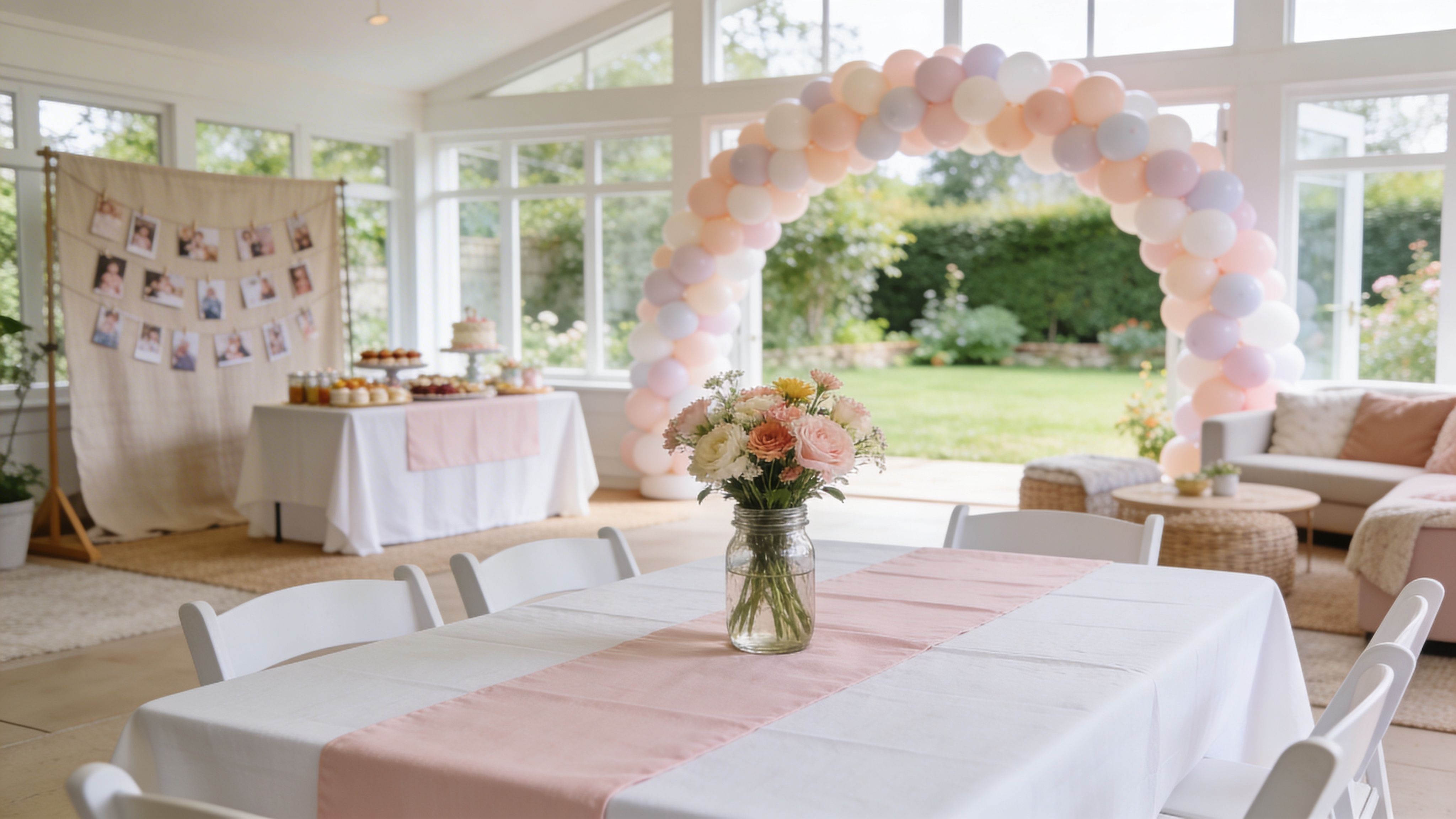
A modern baby shower checklist should treat the registry as a planning tool, not just a shopping list. It helps avoid duplicates, guides gift budgets, and gives long-distance guests an easy way to participate. That’s especially useful when families are spread across the US, UK, Europe, Brazil, or Australia and can’t all attend in person.
Make the registry easy to understand
Parents usually do best with a mix of practical needs and meaningful wants. A registry can include everyday essentials, nursery items, and larger purchases that several people may want to support together.
Zelo works well here because it lets guests contribute toward meaningful gifts in a simple digital format. Instead of one person having to buy the stroller alone, siblings, coworkers, or a circle of friends can each pitch in. It’s also a strong option for parents who’d rather receive support for flexible needs, like postpartum help, diaper service, or a newborn photo session.
For a deeper walkthrough, this guide to a baby shower gift registry complete guide is worth bookmarking before invitations go out.
Practical rule: If a guest has to ask where the registry is, it isn’t visible enough.
A good registry also explains itself. Add short notes where useful. “We picked this carrier for city walks.” “This fund will help with a convertible car seat later.” Those details make giving feel more personal.
What works and what usually doesn’t
What works:
- Varied gift options: Include small items, mid-range essentials, and a few larger shared gifts.
- Clear descriptions: Add notes that explain why an item matters.
- One central link: Put guests in one place instead of splitting them across too many registries.
What doesn’t work:
- Only big-ticket items: That can make guests feel boxed in.
- An outdated registry: Remove items that are no longer relevant or available.
- No group-gift option: That often leaves generous guests without an easy path to contribute together.
One of the simplest wins in baby shower planning is giving guests a registry that feels thoughtful, current, and effortless to use.
2. Invitations and RSVP Management
A week before the shower is the worst time to realize six guests never replied, one aunt has the wrong address, and nobody asked about food allergies. Good invitations prevent that mess. They set the tone, yes, but their real job is to make attendance easy to confirm and easy to track.
Send invitations early enough that guests can plan, but not so early that the shower slips off their radar. In practice, a send window about four to six weeks ahead works well for most baby showers. If guests are traveling, have complicated family schedules, or are split across coworkers, relatives, and friends, give yourself a little more room.
Put the details where guests can find them fast
A strong invitation answers the practical questions in one glance:
- Date and time: Keep both prominent.
- Location details: Add parking notes, gate codes, apartment numbers, or room names.
- Theme or dress guidance: Include it only if it helps guests plan.
- Registry link or QR code: Make access immediate.
- RSVP instructions: Offer one main response method and one backup.
- Dietary question: Ask up front, not three days before the event.
One clear message beats a pretty invitation that sends guests hunting through texts for the registry link. I usually recommend one central RSVP point, whether that is an invitation platform, a shared form, or one host’s phone number. Fewer moving parts means fewer missed responses.
Digital invitations work especially well for showers that need quick updates, easy reminders, or guest-list changes. Printed invitations still have their place, especially for a more formal shower or for relatives who appreciate something tangible. If you are weighing both options, this guide on digital vs. paper baby shower invitations lays out the trade-offs clearly.
Track replies like a host, not a detective
The design matters less than the system behind it. Use a spreadsheet, a notes app, or the RSVP tool built into your invitation platform, but keep everything in one place. Track names, yes or no responses, guest counts, dietary restrictions, gifts sent ahead, and anyone who may need a follow-up.
A hybrid setup often works best. Younger guests may reply through a link in seconds. Older relatives may still prefer a call or text. Accept both, then record every response in the same tracker so your headcount stays accurate.
A smooth RSVP process gives you better numbers for seating, food, favors, and thank-you notes.
For etiquette questions around guest lists, co-ed showers, and family dynamics, BabyCenter’s baby shower planning advice is a helpful reference.
One final practical step. Build in a reminder plan before you send anything. A short follow-up message about a week before the RSVP deadline saves a lot of last-minute chasing and gives the shower a calmer, more organized start.
3. Plan the Menu and Refreshments
Food shapes the pace of the shower more than anticipated. If guests are hungry, they stop listening. If the menu is too complicated, hosts spend the whole event refilling trays instead of enjoying it.
A practical baby shower checklist treats food as hospitality first and performance second. The menu doesn’t need to impress everyone. It needs to be easy to serve, easy to eat, and easy to keep moving.
Match the menu to the format
Brunch showers are forgiving. Pastries, fruit, mini quiches, tea sandwiches, and a make-your-own drink station keep things light. Afternoon showers work well with finger foods, salads, dips, and a simple dessert table. At-home events usually benefit from room-temperature dishes that can sit out without constant attention.
For a shower with a moderate number of guests, a self-serve flow tends to work better than individually plated meals. It keeps conversation casual and lets late arrivals settle in without disrupting the room.
A host planning a co-ed backyard shower might do pulled chicken sliders, pasta salad, fruit skewers, sparkling water, and cupcakes. A friend hosting in an apartment might lean into a tea setup with scones, mini sandwiches, and cookies. Both can feel polished if the portions are manageable and the serving area is organized.
What hosts often get wrong
The common mistake is overcommitting to homemade food. A couple of signature dishes is realistic. Trying to cook everything fresh that morning usually isn’t.
Helpful menu choices:
- Make-ahead items: Quiches, pasta salads, dips, muffins, tea sandwiches.
- Self-serve drinks: Water, tea, lemonade, sparkling options in one visible station.
- Backup snacks: Crackers, nuts if appropriate for the guest group, or packaged sweets in reserve.
Less helpful choices:
- Messy foods: Saucy pasta, oversized sandwiches, anything that needs cutting with a knife.
- Too many temperature-sensitive items: Those create stress fast.
- Dessert too late: If cake waits until the very end, energy can dip before gift opening.
A simple menu, handled well, always beats an ambitious one that leaves the host tied to the kitchen.
4. Choose and Communicate the Theme
Guests usually notice the theme before they notice anything else. They see it in the invitation, the entry table, the colors, and the small details that tell them whether the shower will feel relaxed, playful, polished, or casual.
A good theme saves decisions across the whole planning timeline. It gives you a filter for invitations, decor, favors, and even registry language, instead of forcing you to invent each choice from scratch. That matters because themed showers go off track when the idea is vague at the start and overcomplicated a week before the event.
The best themes fit the parents and the setting.
A strong theme usually comes from one of these directions:
- Color-based: soft neutrals, citrus tones, warm earth shades, pastels, or bright playful color
- Setting-based: garden brunch, storybook tea, backyard picnic, cozy home gathering
- Personality-based: books, travel, music, sports, animals, or a shared hobby
- Mood-based: calm and minimal, whimsical, vintage, cheerful, or bold
The trade-off is simple. A broader theme is easier to execute. A highly specific one can look memorable, but it often creates more shopping, more custom items, and more last-minute stress. For most showers, I recommend choosing one clear theme, then limiting it to three visible elements: the color palette, the paper goods, and one focal decor moment.
That approach keeps the room cohesive without making every cupcake topper and game card work too hard.
For example, a literary shower does not need themed props on every table. A stack of favorite children's books, simple florals, and bookmark favors already makes the idea clear. A travel theme can be just as effective with luggage-tag place cards, a welcome sign, and one suitcase-style gift table. Guests get the message quickly, and the host keeps setup manageable.
The invitation should communicate the theme early and plainly. Use the colors, wording, or design style to signal the mood. If guests should dress for a garden setting, outdoor weather, or a more polished brunch, say so directly. Clear communication prevents the common problems later, including shoes that sink into grass, guests bringing bright gift wrap to a neutral event, or confusion about whether partners and children are included.
Digital invitations make this easier because you can update details if the plan shifts. Printed invitations still work well for formal showers, but they leave less room for adjustments. If you're planning on a tighter timeline or coordinating a lot of moving parts, digital usually gives you more flexibility.
For visual inspiration that feels current without getting fussy, The Knot’s party planning ideas can help you choose a direction and keep it consistent.
The goal is a theme guests can feel right away and the host can carry through. That is what makes the shower look thoughtful and feel easy.
5. Plan and Organize Games and Activities
The moment that decides whether games work usually happens in the first ten minutes. Guests are arriving, greeting each other, and figuring out the room. If an activity asks too much too soon, people pull back. If it gives them an easy way to join in, the shower picks up naturally.
The best plan is a short activity window with options, not a packed lineup. I usually map one light opener, one main activity, and one passive station guests can visit whenever conversation slows. That timeline keeps the event moving without making it feel scheduled down to the minute.
A mix like this tends to work well:
- Baby bingo: Familiar, easy to explain, and useful during gift opening.
- Guess the baby photo: Personal without needing a lot of supplies.
- Decorate a onesie or bib: Good for mixed ages, quieter guests, and longer mingle time.
- Advice cards or prediction cards: A strong choice when guests would rather chat than compete.
Match the activities to the guest list, not to a generic party template. Co-ed showers usually do better with social, low-pressure formats. Office showers often need something quick and appropriate for mixed comfort levels. A family shower with several generations may enjoy a keepsake station more than a loud trivia round.
Timing matters as much as the activity itself. Put the icebreaker near the start, save bingo for gift opening if you are opening gifts publicly, and keep any craft station open through the middle of the event. If the shower is on a tighter schedule, cut one activity before you cut food or greeting time. Guests rarely miss the fourth game, but they do notice when the day feels rushed.
One practical tip I use often: prepare one extra activity and treat it as backup. Weather can change an outdoor plan. A late food delivery can leave an awkward gap. A printed trivia sheet, advice cards, or a simple baby-name game can fill that space fast and keep the mood easy. That kind of contingency planning is what makes the whole checklist feel calmer in real time.
If you want an activity that creates keepsakes without adding much waste, a craft or card station can pair well with these eco-friendly party ideas for sustainable celebrations.
For polished ideas that still feel current, Brides’ baby shower game ideas can help narrow the list.
Skip any game that needs a long explanation, puts guests on the spot, or could embarrass the parent-to-be. The right activities give people something to do together. They should support the celebration, not take it over.
6. Arrange Decorations and Venue Setup
Guests feel the difference between a pretty room and a room that works the moment they walk in. Someone arrives holding a gift bag, a coffee, and a coat. Another guest wants to find the parent-to-be right away. A grandparent needs a stable chair with a clear path to the food table. Good setup handles all of that without making the space feel overdesigned.
Start with the flow of the event, then decorate around it. That order saves money, cuts setup stress, and keeps the room comfortable once it fills up. It also leaves space for modern details that many hosts need now, like a spot for a QR sign to the digital cash registry, a phone tripod for one remote guest, or a simple charging station near the gift table.
Build clear zones
A few defined areas do more than extra decor ever will:
- Arrival zone: welcome sign, coats if needed, guest book, and gift drop.
- Food zone: close to the kitchen or service access, with enough room for a line.
- Activity zone: one table or corner for games, advice cards, or crafts.
- Photo zone: a single backdrop or styled wall with decent lighting.
- Rest zone: a comfortable chair and a little breathing room for the parent-to-be.

One focal point is usually enough. A backdrop behind the main chair, a well-styled cake table, or a decorated entry moment gives the shower personality without crowding every surface. That trade-off matters in smaller homes, where too many decorations quickly turn into obstacles.
Lower-waste decor often looks better, too. Reusable linens, rented cake stands, potted plants, cloth napkins, and borrowed vases photograph well and create less cleanup later. If you want ideas that still feel polished, these eco-friendly party swaps for sustainable celebrations are practical and easy to adapt.
Set the room up for real movement
A good venue setup accounts for what happens after guests settle in. Chairs shift. People gather near the food. Gift bags pile up faster than expected. Leave walking space around tables, keep cords taped down, and place trash and recycling where guests can find them without asking.
Small-space showers need discipline. Push furniture back, use vertical decor, and keep centerpieces low so guests can talk across the table. In a restaurant room, you may need less decor than you think. Menus, a few florals, and one custom sign can warm up the space without fighting the venue's existing look.
Do one full walk-through before guests arrive. Stand at the door, then walk the route a first-time guest will take. If it is not obvious where to put a gift, get a drink, sit down, and take a photo, the setup needs one more pass. That final check is what turns a decoration plan into a calm, joyful room.
7. Delegate Tasks and Assign Roles
A baby shower checklist falls apart when one person tries to carry every task alone. The host may be organized, generous, and capable, but they still can’t answer the door, refill drinks, troubleshoot the playlist, and keep the timeline moving at the same time.
Delegation works best when it’s specific. “Can you help?” often leads to confusion. “Can you manage the dessert pickup and set the cake table by 11?” gets done.
Assign ownership early
A simple division of labor keeps the event calm:
- One person handles RSVPs and guest communication
- One person oversees food and beverage
- One person leads decor and setup
- One person emcees games or transitions
- One person tracks gifts and photos
This doesn’t mean building a formal committee for every shower. Even a small family gathering benefits when people know their jobs. A sister can manage invitations. A cousin can assemble favors. A coworker can coordinate a group gift. The key is naming the owner of each task.
One practical challenge many checklists miss is budget clarity. Existing shower guides often tell hosts to stay on budget, but they don’t offer concrete cost frameworks or category splits, which leaves many planners guessing about trade-offs and spending priorities, as noted in The Bump’s baby shower checklist coverage. That’s another reason delegation matters. Once tasks are assigned, cost-sharing and reimbursement need to be clear too.
Match tasks to strengths
The most reliable helper isn’t always the most enthusiastic one. Give detail-heavy jobs to the friend who loves spreadsheets. Give decorating to the person with visual taste. Give guest greeting to the naturally warm extrovert.
Hosting insight: Delegation only reduces stress when each helper knows both the task and the deadline.
A shared note or group chat can work well for updates. Keep it tidy. Too many side conversations create mistakes. One message thread with owners, timing, and open questions is usually enough.
8. Arrange Seating and Space for Gift Opening
The room feels different the moment gift opening starts. Guests stop circulating, conversations quiet down, and attention shifts to one spot. If that area is cramped, badly lit, or blocked by strollers and snack tables, the shower can lose momentum fast.
Set this up based on how the event will run, not on what looks best in photos. A small living room shower can handle a close semicircle. A larger group usually needs wider spacing, a clear path for passing gifts, and one obvious focal point so nobody ends up standing behind seated guests just to see.
Create a gift-opening zone that works
Choose a supportive chair with a firm seat and good back support. The parent-to-be may be sitting there longer than expected, especially if guests want photos, reactions, and time to chat between gifts. Put a small table within arm’s reach for cards, scissors, water, and any items that need to stay separate.
A setup that usually works well includes:
- A comfortable main chair: easy to get in and out of, with enough support for a longer sit
- A side table: for cards, tape, ribbon, and a drink
- A nearby helper seat: for the person handing over gifts and collecting wrapping
- A hidden cleanup spot: a basket or bag for tissue paper, bows, and packaging
- Open sightlines: avoid placing the chair in front of a bright window or behind tall centerpieces
One detail many hosts miss is traffic flow. Guests still need a path to the bathroom, drink station, or dessert table while gifts are being opened. Keep that route clear so the room does not feel stuck once everyone sits down.
Decide how public gift opening should be
This is one of those planning choices where tradition and comfort do not always line up. Some families love opening every gift in front of everyone. Other groups prefer a shorter public opening, especially if many items were sent ahead through a digital cash registry or shipped directly to the parents.
For bigger showers, I usually recommend opening a meaningful selection during the event and saving the rest for later. Guests still get the shared moment, and the parent-to-be avoids an exhausting, drawn-out final hour. If you expect plenty of mailed gifts or group contributions, ask one helper to keep a visible gift list and another to take photos that can support thank-you notes later. These thank-you message templates for gift givers can make that follow-up much easier.
Timing matters too. At a brunch or afternoon shower, gift opening often works best after guests have eaten but before the energy dips. Build a little buffer into the schedule in case conversations run long, late arrivals show up midstream, or the parent-to-be needs a short break. That small contingency plan keeps the celebration feeling warm instead of rushed.
9. Prepare Thank-You Notes and Post-Event Communication
Most baby shower checklists are strong before the event and weak after it. That’s a real gap. Many planning resources stop at setup and execution, even though post-shower gift tracking, contribution records, duplicate management, and thank-you coordination are often the most tedious part, as reflected in this baby shower checklist resource from checklist.com.
That’s why thank-you planning should happen before the first guest arrives.
Create a system while gifts are being opened
A host or helper should keep a running gift log during the shower. A digital platform like Zelo helps with this. Group gifting can be joyful and efficient, but only if records stay clear enough for proper acknowledgment later. Parents shouldn’t have to piece together contribution details from screenshots and text threads. If a gift is part of a group contribution, note every contributor. If someone attended but didn’t bring a gift, that person still deserves thanks for showing up and celebrating.
One practical move is to set aside the thank-you materials early. Keep cards, stamps, saved addresses, and the gift list in one folder or document. If the parents-to-be are exhausted after the shower, everything is already organized.
For help with wording, these how to thank gift perfect message templates make the process much easier without sounding stiff or generic.
Make the note personal, even if it’s brief
The strongest thank-you notes do three things:
- Name the gift or contribution clearly
- Mention how it will be used or why it matters
- Acknowledge the relationship, not just the item
“Thank you for helping us get the stroller” lands better when it becomes “Thank you for contributing to the stroller. We’ll think of you on all those neighborhood walks.”
That kind of specificity matters even more for shared gifts. Each person should feel seen.
A short, warm note sent promptly does more good than a perfect one delayed for too long.
10. Build in Flexibility and Contingency Planning
The shower starts in an hour. One guest texts that she woke up sick, the cake delivery is running late, and the forecast suddenly shifts from sunny to showers. This is the point where a host either scrambles or calmly switches to Plan B.
Flexibility starts long before the event day. A clear timeline gives you room to adjust because the big decisions are already made. If invitations, menu counts, setup timing, and helper assignments are handled early, small problems stay small. That is the difference between a shower that feels hectic and one that still feels joyful when something changes.
Prepare a few realistic backups
Keep your backup plan simple and specific. Write down the handful of issues that are most likely to affect this shower, then decide what you will do if each one happens.
Useful backups include:
- Weather plan: an indoor room, tent rental, or covered porch option
- Food reserve: extra drinks, easy snacks, and one or two items that do not depend on a last-minute pickup
- Tech backup: printed game sheets, a charged speaker, and a paper guest list
- Layout flexibility: a setup that still works if more guests come than expected, or several cancel
- Comfort plan: water, a quieter seat, and a place for the parent-to-be to rest if energy drops
The best contingency plans match the event you are hosting. For an outdoor shower, keep decor easy to move and clear an indoor fallback space the night before. For a restaurant event, confirm the final guest count deadline and ask who can adjust seating on short notice. For a home shower, build a little extra time into setup because deliveries and helpers rarely arrive at the exact minute you planned.
Budget matters here too. A backup does not need to be expensive, but it does need to be intentional. This guide on how to organize a perfect baby shower on a budget is useful if you want room in the plan for practical extras like spare tableware, flexible food options, or a last-minute weather shift.
Protect the mood, not just the logistics
Good hosts protect the flow of the party as carefully as the supplies. If guests arrive late, extend the mingling time and start games later. If a planned activity feels flat, skip it and move straight to food or gift opening. If the parent-to-be gets tired, shorten the schedule without apology.
Guests remember the feeling of the day far more than the original run-of-show.
That is why I always leave a little breathing room in the timeline. A baby shower checklist should help you stay organized, but the stronger version also gives you options when real life shows up. A little contingency planning keeps the celebration warm, calm, and focused on the family instead of the hiccups.
10-Point Baby Shower Checklist Comparison
| Item | Implementation complexity | Resource requirements | Expected outcomes | Ideal use cases | Key advantages |
|---|---|---|---|---|---|
| Set Up a Gift Registry | Low–Medium: create digital page and add items | Internet, product list/photos, payment setup, moderate time | Consolidated gift tracking; fewer duplicates; group contributions enabled | Parents wanting targeted gifts or remote contributors | Transparent, convenient, supports group gifting |
| Invitations and RSVP Management | Medium: design, distribute, and track responses | Invitation platform/printed invites, contact list, RSVP tool | Accurate headcount, dietary/access data, efficient communication | Events needing precise planning and accommodations | Improves planning, integrates registry links, collects guest needs |
| Plan the Menu and Refreshments | Medium–High: menu selection and dietary coordination | Catering or kitchen access, supplies, servers/helpers, budget | Enhanced guest comfort and engagement; cohesive meal timing | Brunch/lunch/evening showers or large guest lists | Sets tone, encourages socializing, accommodates preferences |
| Choose and Communicate the Theme | Low–Medium: select theme and align elements | Decorations, coordinated invites, time for cohesion | Cohesive aesthetic and clearer guest expectations | Personalized or photo-friendly showers | Simplifies decisions, personalizes event, creates visual appeal |
| Plan and Organize Games and Activities | Medium: choose inclusive activities and schedule | Game materials, prizes, facilitator, allocated space | Increased interaction, memorable moments, structured flow | Mixed groups seeking entertainment and icebreakers | Encourages mingling, creates shareable moments, supports theme |
| Arrange Decorations and Venue Setup | Medium–High: layout, setup, and takedown logistics | Décor items, tools, labor/volunteers, lighting considerations | Inviting atmosphere, improved guest flow, photo opportunities | Venues needing transformation or themed events | Enhances ambiance, reinforces theme, improves guest experience |
| Delegate Tasks and Assign Roles | Low: assign and coordinate helpers | Volunteers/co-hosts, communication channels, task list | Reduced organizer burden and more reliable execution | Larger events or busy primary hosts | Distributes workload, utilizes strengths, builds involvement |
| Arrange Seating and Space for Gift Opening | Low–Medium: plan sightlines and accessibility | Seating, tables, helpers, note-taking/photo tools | Organized gift-opening, better visibility, easier tracking | Showers with gift-opening segment or large groups | Improves visibility, aids thank-you tracking, reduces chaos |
| Prepare Thank-You Notes and Post-Event Communication | Medium: track gifts and personalize messages | Gift log, stationery/email tools, time for personalization | Stronger relationships and proper recognition of contributors | All showers, especially those with group gifts | Demonstrates gratitude, documents gifts, strengthens connections |
| Build in Flexibility and Contingency Planning | Medium: develop backup scenarios and supplies | Backup venue/tent, extra supplies, contingency budget, contacts | Faster pivots, fewer disruptions, calmer execution | Outdoor events, complex logistics, large guest counts | Minimizes crises, preserves event flow, increases resilience |
Beyond the Checklist: Cherishing the Moment
A thoughtful baby shower checklist does more than keep supplies in order. It protects the feeling of the day. It gives the hosts a reliable plan, gives guests a smoother experience, and gives the parents-to-be room to enjoy being celebrated.
That matters because baby showers carry a different kind of emotion than many other gatherings. They’re practical, yes. People are helping prepare for a new baby. But they’re also very personal. Family history, friendship, anticipation, anxiety, excitement, and hope all show up in the same room. Good planning doesn’t flatten that emotion. It supports it.
The strongest showers rarely look identical. One may be a polished brunch in a private room with florals, printed menus, and a softly themed dessert table. Another may happen in a backyard with borrowed chairs, homemade food, and cousins hanging streamers an hour before guests arrive. Both can feel beautiful if the essentials are handled well. Guests know where to go. The registry is easy to use. The food is simple and welcoming. The room has a natural flow. Someone is keeping track of gifts. Someone else knows what to do if the weather turns or the schedule slips.
That’s the deeper value of this kind of checklist. It helps with the practical pieces everyone sees, but it also covers the parts people only notice when they go wrong. No one compliments the host because the RSVP tracking was efficient. They compliment the host because the event felt relaxed. That relaxed feeling usually comes from invisible preparation.
It also helps to remember what doesn’t need to be perfect. Not every guest will arrive on time. Not every game will be a hit. One centerpiece may lean a little to the left. A playlist may go quiet for ten minutes before anyone notices. None of that changes the heart of the celebration. If the parents-to-be feel supported, if guests feel welcomed, and if the day leaves behind a few stories people will want to retell, the shower did its job.
Modern tools can make that easier without making the event feel impersonal. A digital registry, especially one designed for group gifting and flexible contributions, can simplify one of the most stressful parts of planning. It allows guests to give in ways that feel comfortable and useful. It also reduces duplicate gifts and makes sharing the registry with friends, relatives, and coworkers much easier. For hosts trying to coordinate celebrations across cities or countries where Stripe Connect operates, that kind of simplicity matters.
The best final advice is this. Finish the setup early enough to pause before guests arrive. Check the chair for gift opening. Refill the water station. Put the scissors where someone can find them. Then stop adjusting tiny details and let the day happen. The conversations, laughter, photos, and spontaneous moments are the part everyone remembers.
When the practical side is covered, the celebration has room to become what it should be. A warm welcome for the baby, and a generous show of love for the people about to become parents.
If you’re planning a shower, wedding, birthday, or graduation, explore Zelo to create a modern, shareable gift registry that makes group gifting simple, flexible, and joyful.
Enjoyed the article? Share it!