Sustainable gifting is defined as the practice of choosing presents that minimize environmental harm, support ethical production, and deliver lasting value to the recipient. Consumer priorities have shifted sharply in this direction. 76% of consumers now say sustainability directly influences whether they keep a gift, and the sustainable materials market grew 12% in 2026. That growth signals a permanent change in how people think about giving, not a passing trend. Eco-conscious individuals planning weddings, birthdays, and other milestones are leading this shift, choosing gifts that reflect their values as clearly as their generosity.
What are the main sustainable gifting trends shaping modern celebrations?
Three movements define where conscious gifting practices are heading: slow gifting, pre-loved giving, and experience-based presents. Each one pushes back against the culture of buying fast and discarding faster.
The slow gifting movement
Slow gifting prioritizes quality over quantity. Instead of grabbing a generic item from a mass retailer, slow gifters buy from independent makers, local artisans, and small-batch producers. 73% of global consumers say they are willing to change their buying habits to reduce environmental impact. Nearly one in three have already stopped buying from certain brands because of ethical concerns. That is not a niche attitude. It is a mainstream shift that gift-givers can act on right now by choosing one well-made item over three disposable ones.
Pre-loved and handcrafted gifts
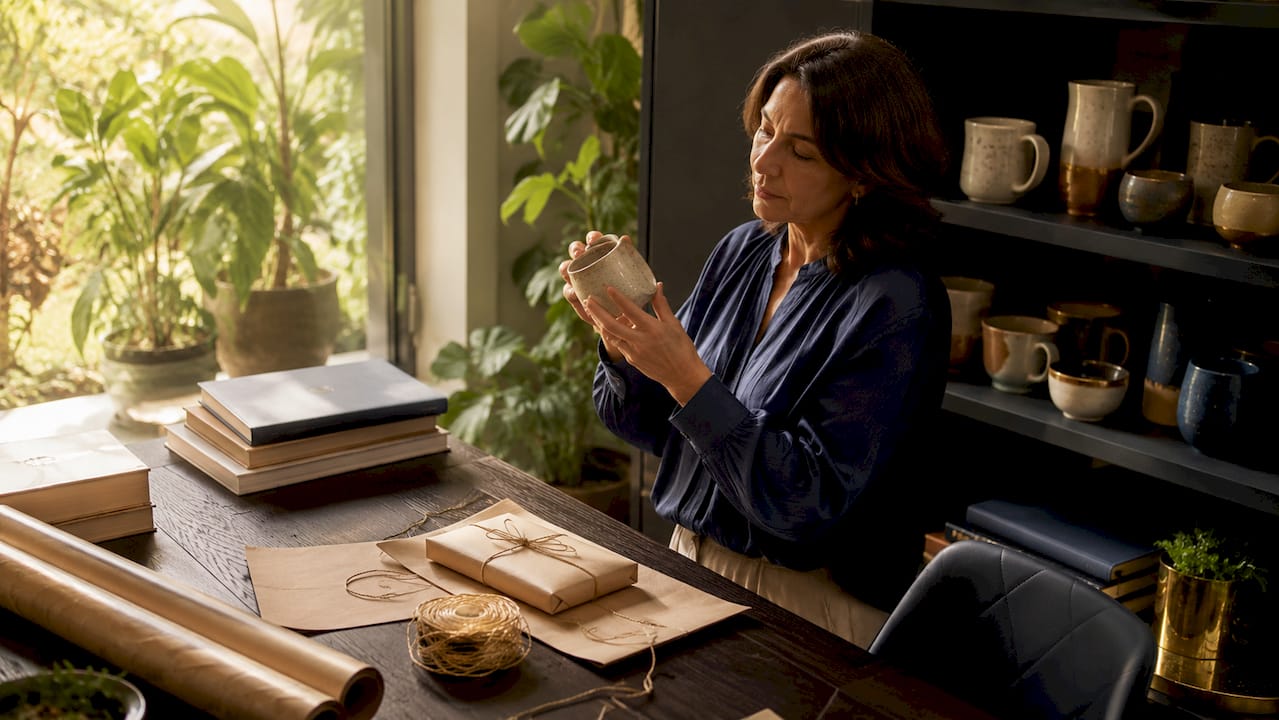
Second-hand gifting has moved well past stigma. 25% of Swedish consumers and nearly 20% of Danish consumers plan to buy pre-loved gifts, and over 50% of Gen Z prefer handcrafted items over mass-produced alternatives. Pre-loved gifts reduce demand for new production, cut carbon emissions from manufacturing, and often carry more character than anything bought new. A vintage piece of jewelry for a wedding anniversary or a curated set of second-hand books for a birthday carries genuine thought behind it.
Experience-based presents
Experiential gifts such as cooking workshops, pottery classes, travel vouchers, and skill-based courses minimize physical waste entirely. They also tend to produce higher satisfaction than material gifts because the recipient gains a memory, a skill, or a shared moment. For weddings and milestone birthdays especially, experiences create lasting value that no object can replicate. Platforms like Getzelo make it easy for guests to contribute toward experiences rather than buying physical items that may go unused.
Pro Tip: When choosing an experience gift, pick something the recipient has mentioned wanting to try. A specific, personal experience lands far better than a generic gift card.
How do packaging and materials impact sustainable gifting practices?
The product inside a gift box matters, but so does everything around it. Packaging is often the first thing a recipient touches, and it generates the most immediate waste.
Key material shifts in 2026
The green gift manufacturing sector is moving away from virgin plastics toward three primary alternatives:
- Recycled aluminum — Infinitely recyclable and increasingly used for containers, tins, and reusable packaging across personal care and food gifts.
- FSC-certified bamboo — A fast-growing, low-impact material used for cutting boards, utensils, and decorative gift items. FSC certification confirms responsible sourcing.
- Ocean-bound plastics — Plastics collected before they reach waterways, repurposed into durable gift packaging and accessories. Recycled aluminum, FSC bamboo, and ocean-bound plastics are now recognized as the standard materials for circular economy gifting in 2026.
These materials reduce extraction pressure on natural resources and support closed-loop production systems.
Packaging as a sustainability signal
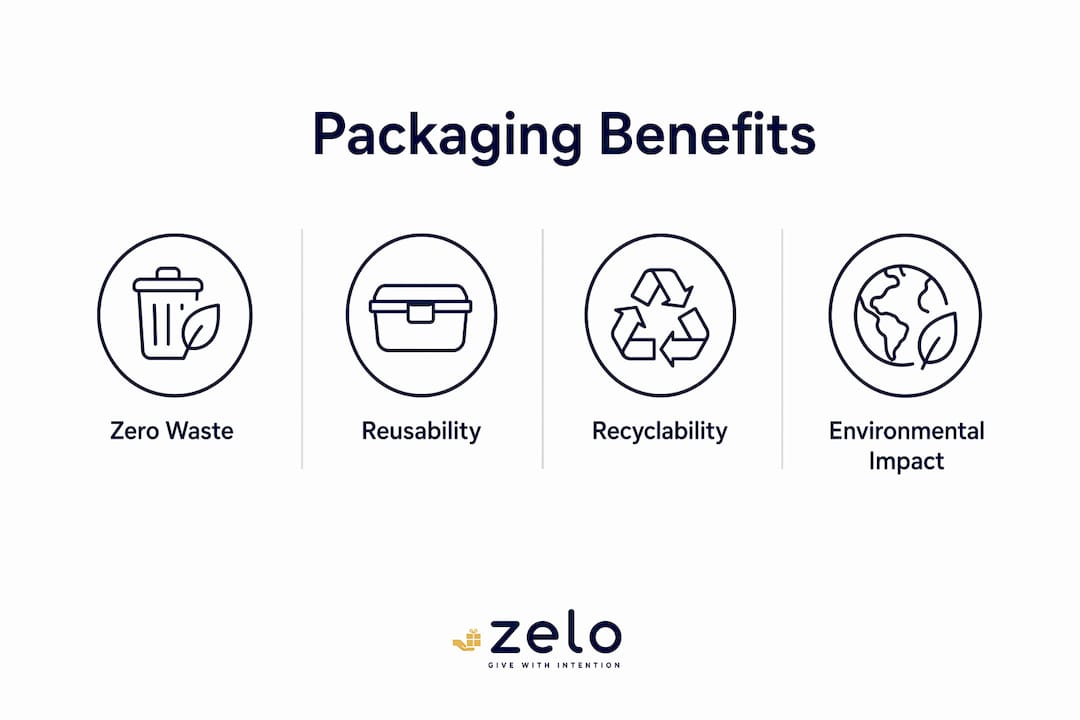
Brands and consumers now prioritize recyclable, reusable, or minimal packaging over simply having an eco-friendly product inside. A gift wrapped in single-use plastic undermines any sustainability claim on the label. The most credible green gift trends include packaging that the recipient can reuse, such as fabric pouches, glass jars, or kraft paper with natural twine. Aesthetic appeal does not have to be sacrificed. Reusable wrapping often looks more considered and personal than a standard gift bag.
| Packaging type | Environmental benefit | Reusability |
|---|---|---|
| Fabric scarves or furoshiki cloth | Zero paper waste | High |
| Kraft paper with natural details | Compostable | Low to medium |
| Glass jars or tins | Replaces single-use plastic | High |
| Recycled cardboard boxes | Reduces virgin material use | Medium |
Pro Tip: Wrap gifts in a fabric item the recipient can keep and use, such as a linen kitchen towel or a cotton tote. The wrapping becomes part of the gift.
Which sustainable gift categories work best for weddings and birthdays?
Choosing the right category of sustainable present depends on the occasion and the recipient’s lifestyle. The following categories consistently deliver on both environmental and personal value.
Durable, reusable home items
Reusable home goods make strong gifts for weddings and housewarmings because they replace single-use products the recipient would buy anyway. Refillable water bottles, beeswax food wraps, stainless steel containers, and compost bins all reduce ongoing household waste. The gift keeps giving every time it gets used, which is a quality no disposable item can match.
Handcrafted and locally sourced artisan gifts
High-quality, ethically produced gifts from independent makers reduce waste and support local economies at the same time. Artisan candles, handmade ceramics, locally roasted coffee, and small-batch preserves all fit this category. For birthdays, a handcrafted item from a local maker carries far more meaning than a mass-produced equivalent. For weddings, artisan gifts signal that the giver put genuine thought into the selection. Specialty wellness products, including small-batch artisan gift sets, also fall into this category when sourced from independent producers with clear ingredient transparency.
Experience and skill-based gifts
Experience gifts work across every occasion and age group. For a birthday, a pottery class, a guided hiking trip, or a cooking lesson creates a memory the recipient will talk about for years. For a wedding, contributing toward a honeymoon experience or a couples’ cooking class is more personal than adding to a pile of physical items. The psychology of meaningful gifts consistently shows that experiences produce stronger emotional connections than objects. Getzelo’s platform lets guests pool contributions toward exactly these kinds of gifts, making group experience giving simple and personal.
- Cooking or baking classes for couples or individuals
- Guided nature experiences such as kayaking, hiking, or foraging
- Skill workshops including pottery, painting, or woodworking
- Spa or wellness day packages from local providers
- Subscription boxes from independent, ethical producers
How can you practice conscious gifting and avoid greenwashing?
Conscious gifting means thinking before buying. It also means knowing how to spot sustainability claims that do not hold up.
Assess longevity before purchasing
The first question to ask about any gift is whether the recipient will use it for years or discard it within months. A well-made cast iron pan outlasts a dozen cheap alternatives. A quality leather wallet used daily for a decade has a lower environmental footprint than three synthetic ones replaced every few years. Longevity is the clearest measure of a gift’s true sustainability.
Check provenance and social purpose
Gifts with clear origins carry more weight. Look for certifications such as Fair Trade, B Corp, or FSC on product labels. These standards confirm that the item was made under ethical labor conditions and with responsible materials. Nearly 28% of consumers now perceive non-sustainable gifts as lower quality. Choosing a gift with verified credentials protects both the environment and the perceived value of what you give.
Personalize sustainably
Sustainable wrapping and thoughtful presentation add meaning without adding waste. Fabric scarves, kraft paper, and reusable containers are all popular choices that recipients can keep and reuse. Including a gift receipt or a note explaining the gift’s origin also adds transparency, which eco-conscious recipients genuinely appreciate. For eco-friendly party planning, the same principles apply: reduce single-use materials and prioritize items that serve a purpose beyond the event itself.
Pro Tip: Before buying, ask yourself: “Would this person choose this for themselves?” If the answer is yes, the gift is both personal and likely to be used, which is the most sustainable outcome.
- Choose gifts with Fair Trade, B Corp, or FSC certification
- Prioritize items made from recycled or natural materials
- Wrap with reusable fabric, kraft paper, or a container the recipient can keep
- Give experiences when in doubt, since they produce zero physical waste
- Include a note about the gift’s origin to add meaning and transparency
Key takeaways
Sustainable gifting centers on choosing fewer, better-made presents that minimize waste, support ethical producers, and deliver lasting value to the recipient.
| Point | Details |
|---|---|
| Slow gifting beats quantity | Choose one high-quality item from an independent maker over multiple disposable gifts. |
| Packaging is part of the gift | Use reusable or compostable wrapping to reinforce the sustainability of what is inside. |
| Experiences outperform objects | Skill classes, trips, and workshops create lasting memories with zero physical waste. |
| Verify sustainability claims | Look for Fair Trade, B Corp, or FSC certification to avoid greenwashing. |
| Pre-loved gifts are mainstream | Second-hand and handcrafted gifts are preferred by Gen Z and growing numbers of European consumers. |
Why slow gifting changed how I think about celebrations
The first time I gave a slow gift, I spent three weeks finding it. It was a handmade ceramic mug from a local potter, chosen specifically because the recipient had mentioned wanting to start a morning ritual. The gift cost less than what I would have spent at a department store. The reaction was completely different from anything I had seen before.
That experience shifted my thinking permanently. The gifting culture most of us grew up with rewards volume and spectacle. A large pile of presents signals generosity. But most of those items end up in a drawer, a donation bin, or a landfill within a year. The slow gifting movement rejects that logic, and the data backs it up. When experiences foster deeper connections than physical goods, the implication is clear: the best gift is not the most expensive one. It is the most considered one.
The cultural shift from materialism to meaningfulness is real, and it is accelerating. Weddings and milestone birthdays are the clearest proof. More couples are asking for contributions toward honeymoon experiences or home goals instead of a second toaster. More birthday hosts are requesting donations to a shared experience rather than a pile of wrapped boxes. That is not minimalism for its own sake. It is a recognition that the best celebrations are built around people, not products.
— Rodrigo
Getzelo makes meaningful gifting simple
Eco-conscious gifting works best when guests have a clear, personal way to contribute. Getzelo is a modern cash gifting platform built for exactly that purpose.
Instead of a traditional registry filled with physical products, Getzelo lets hosts create personalized event pages for weddings, birthdays, baby showers, and other milestones. Guests contribute money toward real goals, experiences, and celebrations through a simple, secure checkout. Hosts can describe the purpose behind each fund, whether that is a honeymoon trip, a cooking class, or a home project, so every contribution feels personal and intentional. For anyone committed to experience-based gifting, Getzelo provides the structure to make it work beautifully. Create your event page and give guests a meaningful way to celebrate with you.
FAQ
What are sustainable gifts?
Sustainable gifts are presents chosen for their minimal environmental impact, ethical production, and lasting usefulness. They include handcrafted items, pre-loved goods, reusable home products, and experience-based gifts.
Why are experiential gifts considered sustainable?
Experiential gifts such as workshops, travel, and skill classes produce no physical waste and often deliver higher satisfaction than material items. Experiences provide lasting value and a smaller environmental footprint than manufactured goods.
How do I avoid greenwashing when buying eco-friendly gifts?
Look for verified certifications such as Fair Trade, B Corp, or FSC on product labels. These standards confirm ethical labor practices and responsible material sourcing, which generic “eco” marketing claims do not.
What sustainable gift options work well for weddings?
Durable home goods, artisan-made items, and contributions toward honeymoon experiences all make strong wedding gifts. Cash gifting platforms like Getzelo let guests fund specific experiences or goals, which aligns directly with conscious gifting values.
Is second-hand gifting socially acceptable?
Second-hand gifting is widely accepted and growing in popularity. 25% of Swedish consumers plan to buy pre-loved gifts, and over half of Gen Z prefer handcrafted or second-hand items over mass-produced alternatives.
Recommended
Enjoyed the article? Share it!